The Sheepherders Debut and Buddy Rose Carries Stan Stasiak | From the Crow’s Nest

The Sheepherders Debut and Buddy Rose Carries Stan Stasiak | From the Crow’s Nest

He’s not the promoter or the matchmaker, but in Portland wrestling in the late 1970s, the territory belonged to Buddy Rose.

Whereas other promotions at the time rotated fresh antagonists to challenge the in-house hero, stories in Pacific Northwest Wrestling revolved around the Vegas Playboy. Another unique twist? Other territories protected their top guys from looking weak, much less taking losses. Rose, by contrast, ate falls on a weekly basis on Portland’s Saturday night television show, which still aired live until September of 1979.

When it mattered most, though, Rose reigned supreme over his rivals. He did it to Lonnie Mayne and Sam Oliver Bass, pairing with Ed Wiskowski to defeat Mayne and Bass in a Loser Leaves Town tag match in 1977. He did it to Jesse Ventura in 1978. And as our journey through Portland reaches the summer of 1979, Rose got the best of Roddy Piper. A central figure in Portland throughout 1979, Piper lost the Coal Miner’s Glove Match to Rose that was hyped heavily on the July 7 episode. The Rose-Piper feud isn’t over yet (thankfully), but Piper took an extended hiatus from the territory after the Coal Miner’s loss and is absent from the episodes in this installment. That match, like many of the most hyped bouts in Portland to this point, occurred on one of the promotion’s Tuesday night shows, which were not televised. Portland footage, no matter how good it is, even great, often leaves us wanting more.

Don Owen usually kept a tight roster in Portland, and there are other changes as well, including a very noteworthy debut during these two episodes of TV from July of 1979.

You can watch all the footage we review in this installment here:

7/14/79

It’s only been a few weeks since they joined forces in Portland, but the pairing of Buddy Rose and Rip Rogers has become a highlight on these episodes.

As we wrote about last time, the dynamic between Rip and Buddy is very different than the one between Rose and Wiskowski. The latter pairing was an alliance of equals, joined in their willingness to be dastardly rulebreakers and collect titles. With Rose and Rogers, Rose is the clear alpha, with Rip as his hype man and lackey.

That dynamic is in full effect during an interview from the crow’s nest, where Rose is wearing an outfit that looks like the 1970s threw up on him. (You can see it in the screenshot from the YouTube playlist embedded above.) Rip weaves a tall tale of the duo rubbing shoulders with celebrities in Las Vegas while they celebrated Tuesday’s Coal Miner’s Glove win over Piper and suggests his pal should be called “Disco” Buddy Rose. Both blondes gloat with gusto here, and Rose proclaims he will never wrestle Piper again.

One match from this episode, and it’s a big one, as Adrian Adonis and Ron Starr, who remain the tag champs, face the debuting Sheepherders in a non-title match. Making their American debut are Butch Miller and Luke Williams, who you might know better as the Bushwhackers: the arm pumping, face-licking comedy tag team in the WWF in the late 1980s and early 90s. Their characters here are total opposites and both have wild manes of hair, as opposed to the buzz cuts they kept for the bulk of their careers.

Announcer Frank Bonnema hypes this as the first match in the United States for the Sheeps. My research 47 years later on Cagematch and Wrestlingdata.com found a handful of bouts in Hawaii in the spring and summer of 1979, but this is the debut in the Continental U.S. for the duo, who had prior runs in Canada for Grand Prix and Stampede, as well as Japan.

Bonnema does good work here, really selling the mystery of these newcomers from New Zealand. These Sheepherders never met a rule they weren’t willing to break. They pull hair to grab holds or execute takeovers. They deliver closed-fist punches or shots to the throat when referee Sandy Barr is looking elsewhere. Adding to the tale told between the ropes: the full emotional investment of the Portland Sports Arena crowd, which includes many regulars and season-ticket holders who are there every single week. They’re shrieking at every illegal tactic by Butch and Luke (and there are many examples). They’re also fully behind the champs. When Adonis leaps for a double leg drop on Luke’s arm but hits nothing but canvas, there’s a collective groan from the fans.

We have the entire first fall of this match, and the latter portion of the third. The Sheepherders win both falls, and look impressive doing it. After the match, both teams make their way to the crow’s nest for interviews, where Butch looks positively deranged and speaks with a heavy New Zealand accent. The Sheepherders now want a title shot, Adonis and Starr run them off and grant that request, next week on TV, with Adonis so upset about the loss he’s almost in tears: “This will be the last time I let you people down!” Adonis vows.

Final Verdict: Worth Watching.

This is a solid match, especially for the era, with historic value as the Sheepherders’ debut in Portland and, it appears, the United States. Fans who aren’t familiar with Butch and Luke and their pre-Bushwhacker work will get a kick out of seeing these two heel it up. And wrestlers should watch this match as a fine example of how to cheat without doing so right in front of the referee. It’s also a fine example from a booking perspective of how to debut a new act and make them a significant threat from the outset. The only regret is that the episode with the rematch for the titles appears lost to the sands of time. The Sheepherders won the titles, for the record, in a match that also marked the end of this run in Portland for Starr.

7/28/79

This episode begins with another entertaining visit to the crow’s nest by Rose and Rogers. They’ve been positively swamped (swamped, I say!) with letters from women who want to date them. Rip is in full hype man mode, comparing the Vegas Playboy to Robert Redford, Clark Gable, and John Travolta. He then goes into a detailed analysis of Rose’s physique, from the “lifeguard shoulders” to the “baseball bicep” and “horseshoe tricep.”

The only surviving match footage is from the main event, and it’s a big one: Rose challenging Stan Stasiak for the Pacific Northwest Wrestling Heavyweight Title. I wrote about Stasiak before from his time in the WWWF earlier in the decade, best known for winning the WWWF Heavyweight Title off Pedro Morales, and then losing it nine days later to Bruno Sammartino to begin Bruno’s second and final reign with the belt. Stasiak dethroned Piper earlier in 1979 in a non-televised match. This is Stasiak’s sixth reign as PNW champ; the other five came much earlier in his career.

Let’s be straight here: Stasiak is never going to be described as an exciting wrestler. A lot of his work in the WWWF is flat-out dull, and that’s from several years prior, when he’s younger and, presumably, more spry. Rose and Stasiak make some magic here and put together an entertaining match, because Rose is fully committed to portraying his opponent as a killer. First, they surround the match with shenanigans. Rose goes into a full stall, ducking in and out of the ring, and eventually gets some encouragement from his pal Rip Rogers once he comes to ringside. That evaporates quickly when Portland’s matchmaker/longtime headliner/coattail rider Dutch Savage and Adonis run out to chase Rip back to the locker room.

Rose zeroes in on the back of the champion. He hurls Stasiak into a backdrop that makes one fan shriek. A slam and the “inside backbreaker” (a backbreaker variant from a back suplex, a move Rose has established as a finisher here) gives the challenger the early one-fall lead.

Rose also controls the second fall, but momentum turns quickly when Stasiak reverses an Irish whip and quickly delivers the heart punch. Frank Bonnema wonders out loud if Rose can even answer the bell for the third fall after the dreaded heart punch. Rip Rogers is out and gives fine tribute to the wrestling gods by trying to give Buddy a couple of chest compressions.

The third fall starts and, like usual in Portland, time is short. There are several callbacks to earlier in the match: Stasiak feints the heart punch and a terrified Rose bails through the ropes to the floor. Rip Rogers comes out to help his boss, Buddy, only to get chased away once more by Adonis and Savage. In the ring, Rose takes a backdrop and, as he sits up in agony, makes a fantastic face while selling that the camera catches perfectly. Stasiak misses another heart punch and hurts his hand as it smashes into the turnbuckle. The champ just starts punching with his left hand instead. The draw feels anticlimactic as time expires with no winner in the third fall. One surprise? Stasiak busts out a standing dropkick right before the bell rings.

Final Verdict: Noteworthy

This is the space between a good match and a very good match, and it’s primarily because of Buddy Rose. We’ve seen Rose work with a variety of opponents of different skill and experience levels since this project began, but this is the closest to a full carry job that we have seen yet from the Vegas Playboy. He spends a good chunk of the match on offense, but when Stasiak makes his comebacks, Rose makes him look like a killer. Stasiak leaves as champion but, from a broader view, Rose becoming the top guy in Portland by also claiming the top title feels like an eventuality.

Up Next

More 1979 footage from Portland.
Bagpipes, Tag Titles, and Rip Rogers | From the Crow’s Nest

Bagpipes, Tag Titles, and Rip Rogers | From the Crow’s Nest

I’d like to think that in a different world, Buddy Rose and Roddy Piper remained eternal rivals. Much like Jerry Lawler and Bill Dundee, I envision a reality where they stay embroiled in combat, the Chicken and Peter Griffin. Alas, Piper eventually leaves in the early 1980s for the Mid-Atlantic territory, then for the big stage of the World Wrestling Federation.

Best we enjoy this feud, and Piper, while they’re available.

On with a review of this week’s footage:

June 30, 1979

From top to bottom, this is one of the better surviving episodes of Portland TV, on par with the 1977 installment where Sam Oliver Bass makes a mid-episode turn.

We usually don’t get full episodes of Portland TV, but a recurring theme of the surviving footage from the 1970s is that it starts with an interview segment with Buddy Rose. Rose spends the summer doing these interviews in different get-ups, as you’ll see in our next installment. Here, he’s back from Hawaii: freshly tanned and especially insufferable. Decked out in a lei and a headband, Rose breaks the bad news that his partner Ed Wiskowski is out indefinitely with internal injuries sustained from a low blow (his word, not mine). Rose closes by asking for a moment of silence for Wiskowski… a great bit that gets the predicted response from the Portland Sports Arena crowd. Rose has returned from the island with a new part, Rip Rogers, and they’re challenging for the tag titles tonight! This is a good interview worth watching, especially if you’re a wrestler still trying to find your voice in spoken segments. Rose carries himself with a confidence and a swagger. He doesn’t look the part of a traditional headliner, but he presents himself as the biggest star in the territory, which, in Portland, he is. And, as the top villain in the territory for the past several years, and with the Portland TV audience consisting of many diehards who came out every single week to watch the matches, he’s learned how to manipulate the crowd.

Right to the main event: the aforementioned tag title match, which like the typical TV headliner in Portland is two out of three falls. Adrian Adonis and Ron Starr are still the tag champs, and while that sounds like the random generation of an EWR simulation, they work well as a team and the reactions show how they’ve definitively won the hearts and minds of the Portland fans. There’s a lot of comedy here. Rose is selling Rip Rogers’ greatness before the match, but in the first fall, Rip doesn’t get any offense in. Then again, neither does Rose. Rip takes some beautiful armdrags and pinballs all over the ring for his foes before submitting to an Adonis drop toe hold.

As usual, we get some content between falls, which was an elegant way for Portland to sell sponsor time given the two out of three fall format and maximize the TV time despite typically keeping a small roster in the territory. No charming antiquated commercials here, but we do get another solid interview from Roddy Piper. Interviews in this era, especially on the granular territory level, sometimes draw in current events and here Piper riffs on 41 beached whales. Solid work here, even if it ends with a line calling himself “the greatest white athlete in the world today” that is cringe-inducing by 2026 standards.

Back to the match, and poor Rip Rogers still doesn’t get any offense in as the champions try to obliterate his already vulnerable left leg. There’s a very different dynamic in the Rogers and Rose team. Rose and Wiskowski felt like equals. Rogers comes off as the lackey of the Vegas Playboy. Rip fights off another spinning toehold by Adonis by kicking him off, but it’s Rose who does the real damage by ramming Adonis’ shoulder hard into the ring post. The story of the match is that Rip is outmatched against this competition. His attempts at holds are countered or escaped with ease. His pin attempts get a one count. Instead, Buddy Rose takes on the burden. He fights off a double team by the champs single handed and directs Rip into the ring for a double clothesline on Starr to level the match.

The third fall is more of the same, with Rose doing most of the work. Commentator Frank Bonnema doing his best to sell Rip, noting he shows “he belongs in this company.” You can feel the heat in the building literally and figuratively on this summer evening in 1979 during the third fall, as the sweat and the fists fly. Things break down when Rip brings a chair into the ring, Starr intercepts it, and uses it, getting the champs disqualified. Referee Sandy Barr awards the belts to Rogers and Rose and Dutch Savage is out to protest because Rip introduced the chair into the match. I mean, actually using a chair is also against the rules.

The Take: This is a very strong TV main event that is worked at a hard, brisk pace despite its length in obvious sweltering conditions. Definitely worth watching.

Rose and Rogers hit the crow’s nest after, where Buddy does his damnedest to put over Rip, crowing, “What a partner!” Dutch is up lobbying for a change in the decision, and Sandy Barr ultimately disqualifies both teams and holds up the titles, with a rematch booked for the following week.

July 7, 1979

Another very strong episode of wrestling TV here.

To start out we get Piper, freshly dethroned as the Pacific Northwest Heavyweight Champion by Stan Stasiak, taking on Ricky Hunter. Piper, in another moment of cringe, is wearing a “Great White Hope” T-shirt. The match barely starts before Rose is out and steals Piper’s bagpipes, which he’s played in the ring a few times in Portland up until here. Piper sells this moment great, whipping his head back and forth between the bandit Rose and his opponent in the ring. Rose retreats to the crow’s nest and threatens to bust the bagpipes over commentary. Piper storms the Crow’s Nest and Rose attacks Piper and then Barr with the busted bagpipes. A wild pull-apart features our first look in this footage journey at Matt Borne, who is among those trying to pull apart the combatants. This is a red-hot angle so of course Dutch Savage has to come out to siphon off some of that heat. Dutch makes a Coal Miner’s Glove Match between Piper and Rose for the following Tuesday, with Dutch as the referee. Rose eventually breaks free of Hunter, who’s holding him back, and clobbers Savage. Maybe he was as tired of Dutch’s coattail riding as I am.

Into the tag title rematch… records show that Adonis and Starr enter this match as the defending champs even though Frank Bonnema reminds us the titles were held up last week. Once again, Rip is outmatched, at least early, and he starts this match as he spent most of last week’s tag title match: getting totally housed by Adonis and Starr. Rogers and Starr do the bulk of the work in the first fall until Adonis is in, applies his spinning toehold, and Rip gives up quick.

There’s an abbreviated tidbit between falls, where Frank Bonnema starts to run down the weekly schedule and asks fans to grab a pencil and paper to write it down. This is just a charming antiquated moment every time it arises.

A very good promo between falls from Piper, who emphasizes this isn’t so much a battle between good and evil as it is between two villains trying to out-heel the other: “I can stoop just as low as you,” Piper says. That said, he plays directly to the audience next, asking people to call into the studio and demand the Tuesday match also put the wrestlers’ hair on the line. Piper’s footage in Portland continues to be a revelation and this is another fine example of that.

The second fall of the tag match hinges on a back-and-forth exchange between Rose and Adonis. These two have fantastic chemistry. They’re also similar: both lacking the traditional chiseled wrestling physique, having bigger frames, and possessing a common willingness to fly all around the ring, and ringside, for their opponent. There’s a real lull in this match, in both intensity and crowd heat, when Rip comes in to take over the offense on Adonis. The rule breakers level the match when Rose grabs Adonis, behind the ref’s back, as Rip leaps off the second rope with a flying knee to the head.

Rip delivers a rock-solid promo before the third fall, which begins with the heel duo totally drenched in sweat. Again, you can feel the heating the building. Many of these two-out-of-three Portland main events have a very rushed third fall, and that’s the case here; the fall has just started when there’s a call that three minutes remain. Adonis blocks a backdrop attempt by Rose with a kick that elicits another of those fantastic sprawling banana-peel bumps from the Vegas Playboy. Adonis makes the tag to Starr, and almost immediately Piper is at ringside. Starr shoves Rose into Piper, then pins him. The crowd was delighted but this felt very rushed.

The Take: Not quite as good as last week’s tag title match, but still a strong match, especially for the era.

Now we get to the post match and if you want to know how to build a match for the next show, watch this, and probably watch it again. Promoter Don Owen makes this a hair match, to which Piper kneels in front of Owen and screams “I LOVE YOU” picking up the very straitlaced Owen in a full hug. Rose vows to bring “everything I got” to the Tuesday match and tells Piper, directly, “you’re gonna have to kill me to beat me.”

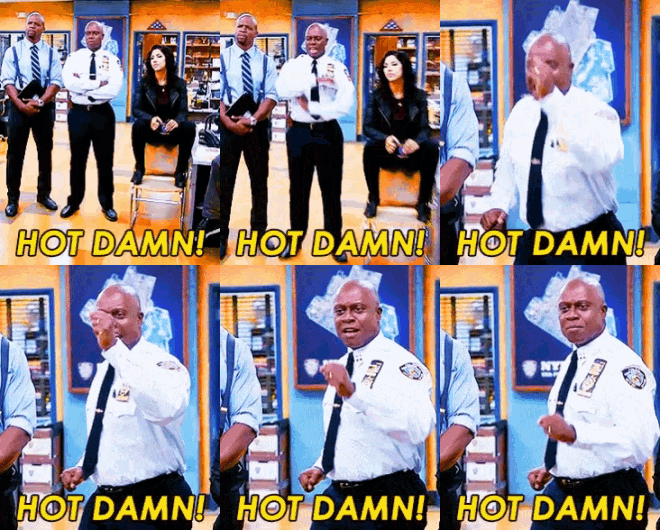
Hot damn, indeed.

The only complaint is that this match between Rose and Piper, like all the Tuesday matches in Portland to this point, seemingly has been lost to the sands of time.

If time travel ever became a thing, I’m headed to Portland in the 1970s with some video equipment. That’s all I am saying.

Next Time: The Sheepherders make their debut, and these aren’t the Bushwhackers you’re expecting.

Here’s a full index to all our Portland Wrestling content.

Adios, Hector Guerrero | From the Crow’s Nest

Adios, Hector Guerrero | From the Crow’s Nest

When you’re watching territorial wrestling footage from nearly five decades ago, located in a relative distant outpost for the business, you’ve got to take what source material you can get. Given that the vast majority of the surviving footage from Portland wrestling in the late 1970s came from the actual tape collection of Buddy Rose, that means that there’s a hearty helping of Rose on these episodes.

That’s not a bad thing. I feel like I’ve waxed poetic on the greatness of Rose, who I consider among the best wrestlers of all time, and maybe the most underrated.

The bulk of the footage available from the April 14, 1979 episode of Portland TV, sees Rose take on a young Hector Guerrero. It’s an undercard match, so it’s one fall to a finish unlike the usual two out of three fall format for main events on the Portland program.

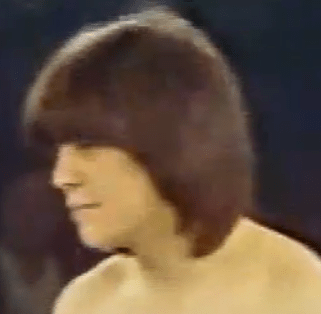
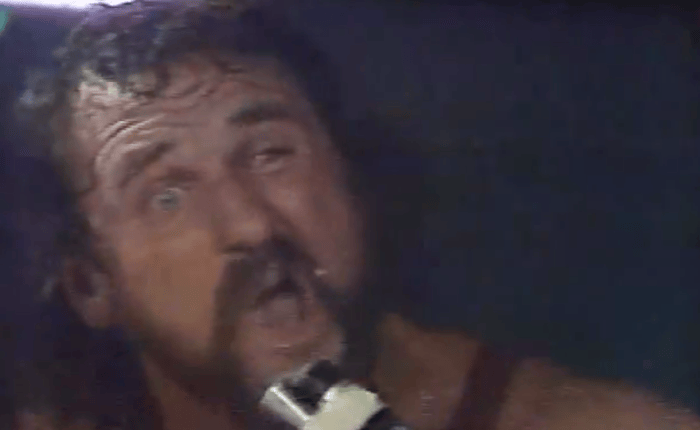
This is also the final match for Hector in Portland, period, for reasons that are made quite clear after the match. He still looks like a kid thanks to that haircut (pictured below) but he’s actually about six years into his career.

This might be the Portland exit for Guerrero, but Rose seems determined to send him out looking strong, because the Playboy spends the vast majority of the match selling and feeding. For all the fat jokes about Rose, to the point he goes into some deep schtick about it later in his career when he is substantially heavier, he’s in great ring shape. He runs the ropes and feeds into arm drags more effectively than hundreds of wrestlers I can think of who look more athletic.

Hector works the left arm of Rose relentlessly, with everything from an arm wringer to an arm scissors to, briefly, the setup for a modern-day mixed martial arts armbar. On one of the few occasions where Rose gains the upper hand and flings Guerrero for a backdrop, Hector nimbly lands on his feet to oohs and ahhs from the Portland crowd, in a spot that had to feel spectacular by the standards of 1979 and was still pretty nifty by the standards of 2026. Nothing Rose does seems to keep Hector down for long… until he catches a flying cross body and drops Guerrero across an outstretched knee for a backbreaker. An inside backbreaker follows, and Rose scores a decisive pin. After the bell, Rose and his running buddy Ed Wiskowski double team Guerrero and hit the same knee drop from a backbreaker setup that put Killer Brooks on the shelf the previous week. The referee disqualifies Rose, who doesn’t seem bothered. He grabs the house mic from Don Owen and proclaims, with no small amount of glee, “I heard his neck snap!” as Guerrero is carried out of the arena, never to be seen again in Portland.

There are entertaining nuggets in this, and several things young wrestlers can borrow (the word we use instead of “steal” in any creative or performative endeavor), but the structure is too disjointed to call it a good match.

Up next, we get a Roddy Piper interview from the Crow’s Nest, and Piper is beside himself after seeing Rose and Wiskowski take out someone else with the same tactic they used to injure Brooks, or, as Piper calls him, “my Brooksie.” Adorable. Piper is borderline manic here. He’s talking way too fast but you already see the presence that goes on to make him one of the major stars in wrestling during the pop culture boom of the mid 1980s, and arguably the first major crossover star in American wrestling. It’s in the eye contact, and the conviction of his words. Even here, years before his peak fame, Piper stares into the camera, using it as a vessel to connect to the viewer, doing everything but reaching through the screen, grabbing you by the shoulders, and throttling you until you believe.

Piper also spends some of this time running down the women’s wrestlers passing through the territory and Vicki Williams in particular. There’s an interesting level of nuance here, a shade of grey usually absent from the black or white, hero or villain booking of traditional wrestling. While Piper continues to position himself as the next nemesis to Rose, he simultaneously with his words on Williams embodies unfiltered, ugly misogyny with a microphone — and taking that stance to a much higher level in our next installment.

A couple of other interviews from the Crow’s Nest wrap the footage from this episode.

First up, current tag champs and fan favorites du jour Adrian Adonis and Ron Starr. I appreciated the continuity here — they find Brooks’ injury last week unfortunate, but it’s from the company he chose to keep — and Starr in particular had a good delivery, but the other material is so cringe-worthy I won’t even summarize it.

Finally, Rose and Wiskowski return to the Crow’s Nest with Wiskowski selling the heart punch from Stan Stasiak, a former WWWF (the predecessor to WWF or WWE) world champion who’s been appearing sporadically in Portland since the mid 1960s. Rose has Stasiak one on one next week. After seeing several Stasiak matches from earlier this decade when he was younger and presumably more spry, the prospect of a Stasiak singles match here doesn’t excite me, even if it is against Rose. We do get a tag match featuring Stasiak and Rose on opposite sides, and that’s the centerpiece of our next review.

Check out all our reviews and articles on Portland wrestling.

Roddy Piper Comes to Portland | From the Crow’s Nest

Roddy Piper Comes to Portland | From the Crow’s Nest

Our journey through the archives of the Portland wrestling territory jumps ahead by more than a full calendar year… from March 4, 1978, to March 31, 1979.

What changed during the year-plus gap in available footage? The big news is that Roddy Piper is now part of the roster. Yes, that Roddy Piper. Before he chewed bubble gum and kicked ass in “They Live”, before he headlined the first WrestleMania, Piper spent a significant amount of time in the Portland territory, starting in the fall of 1978. At the time of the March 31 episode of Portland TV, he holds both the Pacific Northwest Heavyweight Title and one half of the tag titles with Killer Tim Brooks. Piper and Brooks are on the rulebreaker side of the locker room, and insist they’re on very good terms with the two long-established villains in Portland: Buddy Rose and Ed Wiskowski.

Really! They get along great!

You see where this is going, right?

I’ve compiled a YouTube playlist with all the footage reviewed in this installment.

Let’s dive in …

3/31/79

Footage from this episode consists of two interview segments from the crow’s nest (catchy phrase, right?) broadcast position, both involving Rose and Wiskowski.

During this one, longtime Portland announcer Frank Bonnema refers to Rose and Wiskowski as world tag team champions, a title with a nebulous legacy at best. Apparently, it stems from the NWA San Francisco territory, which is interesting since in an earlier installment of this series, Dutch Savage craps all over San Francisco even though several Portland regulars worked frequently there. It also seems very on brand to Rose and Wiskowski to just conjure their own NWA World Tag Team Title belts, then bring them to Portland to defend them in a territory they think they can dominate … well, mostly because Rose and Wiskowski dominated in 1977 and 1978.

As per usual, Rose and Wiskowski have a variety of grievances and they’re not shy about sharing them. For one, they feel Piper and Brooks are discriminated against by PNW promoter Don Owen. They’re also unhappy that women’s wrestlers are coming into the territory. Rose proclaims wrestling “a man’s sport”, while Wiskowski, in probably the line of this set of footage, ponders, “Why do they need to bring women in when they have someone as beautiful as me?”

The second interview segment is from the end of the episode. Piper and Brooks, who just wrestled, join Wiskowski. Rowdy Roddy is sweating buckets and I regret we don’t have available footage from the match, which records show had Adrian Adonis and Ron Starr as the opposing duo. The schtick is heavy here. Rose brings a wheelbarrow to the elevated broadcast position to carry all the belts the quartet currently holds.

This is the oldest footage we have with Rose and Piper together in Portland. It’s striking that Piper, who has never been confused for a titan in the ring, has a good couple inches’ height advantage over Rose. Piper is only 24 years old here, and Rose leads him through the interview to some degree, circling him back a couple of times to hype his tag title match on the upcoming Tuesday. Rose also hands out a challenge for an eight-man elimination tag on next week’s program: Rose, Wiskowski, Piper, and Brooks (or “Brooksie” as Piper calls him, which is adorable) against “the four best Don Owen can find.”

4/7/79

We get a real treat here with the full elimination tag match set up on the prior episode. But first, an interview with the heels, who call themselves “the Fearsome Foursome.” They’re taking on Adonis, Starr, George Wells, and Hector Guerrero.

That wheelbarrow for the bad guys’ belts got a lot lighter in the past week. Adonis and Starr dethroned Piper and Brooks as tag champs the previous Tuesday, and have the belts. Meanwhile, Frank Bonnema mentions that Rose and Wiskowski lost their world titles the previous Monday night in Dallas. If you say so …

The match itself is a precursor to the elimination tags that the WWF made well-known with the Survivor Series pay-per-view. The first few Survivor Series consisted entirely of matches with this structure: multiple falls, and the loser of the fall has to go to the locker room. This isn’t the first match of its type in American wrestling history, but there’s a good chance it’s the oldest footage of a match of its kind. It’s certainly the oldest complete footage of a four on four elimination tag. We’re also treated to Adonis and Piper on opposite sides; they famously link up again about eight years later for Piper’s first retirement, at WrestleMania III.

The ensuing match lasts about 30 minutes, and it’s an “all killer, no filler” type of wrestling match. Having so many people involved and the ability to tag in and out means the eight wrestlers maintain a fast pace for the entirety.

Piper’s star shines brightly here, especially early. During introductions, he insists on playing his bagpipes — and Rose appeases the wrestling gods by clapping his hands and stomping his feet like he’s at a hootenanny and not a wrestling show in the Pacific Northwest. Piper starts out against Guerrero, who looks incredibly young, small, and thin here, but none of that matters when the bell rings, as Piper does a fabulous job throwing himself around the ring to make Hector look good. Once Piper does get in a little offense, he promptly whiffs on a dropkick to the delight of the Portland Sports Arena regulars. Guerrero and Wells take turns working on Piper’s arm. The actual holds don’t look like much but Piper’s facial expressions as he sells those holds? They’re everything.

Piper finally makes the tag to Rose, which leads to Wiskowski. Neither is in the match long but what ensues is an effective snapshot of what makes those two so effective in their role in the territory. They win most of their matches that really matter, few of which so far actually have made tape; those get saved more for the non-televised Tuesday shows in Portland. They’re vicious and use those tactics to put various opponents out of action. They’re also willing to lose more on TV than probably most headliners would in that era — definitely in this era — and they’re pretty generous overall in making themselves look foolish to delight the fans and get support behind their foes. There’s a great example of that here. Rose charges headlong into taking a series of bumps from Starr. Addled, he quickly tags out to Wiskowski, who trades strikes with Starr until the fan favorite gets the upper hand, sending Wiskowski sprawling with a blow that sends him flying backward and landing on his face. It’s an exaggerated sell that both defies the laws of physics and makes perfect sense in the context of the match, and Portland.

For all the schtick and the discombobulation on the heel side, Rose and company gain and keep the advantage throughout. Wells gets eliminated first, splashing Rose and going for the pin only to have Wiskowski deliver his diving headbutt — an established sure-fire finisher in the territory by now, leaving Wells easy prey to get pinned by the Playboy. Then Guerrero gets the gate after taking a series of double-team moves from Piper and Brooks, who show good continuity as a pair. The odds are against Adonis and Starr but the newly crowned tag champs come out full of fire in the third fall. After just a couple of minutes of action, Starr hits Brooks with a Russian legsweep. Wiskowski launches with another diving headbutt… why not? it worked in the first fall. This time, Wiskowski mistakenly hits Brooks, who gets pinned.

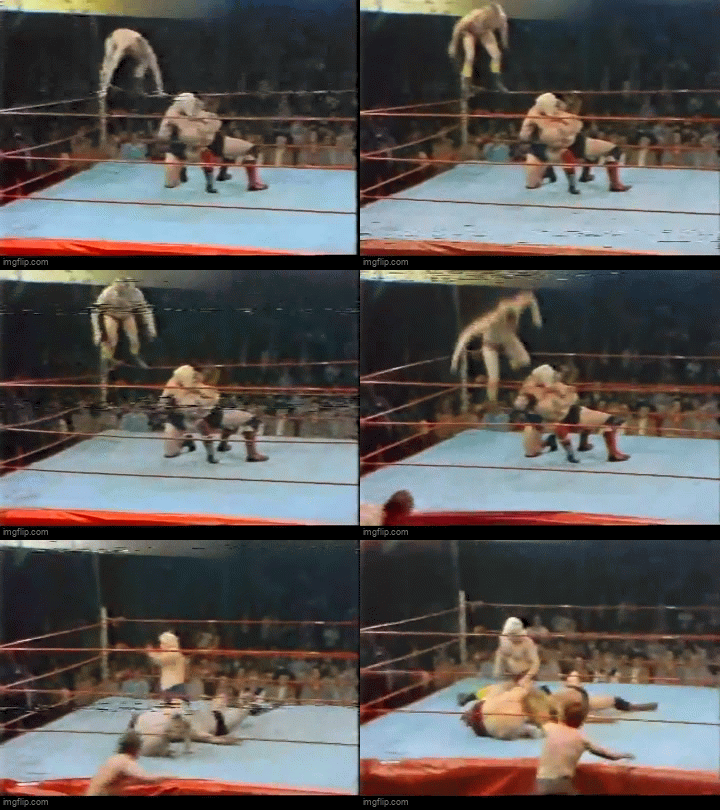
Piper and Brooks are none too pleased with that outcome, and the friendly collaboration between the two heel tag teams disintegrates. They start brawling with one another, and after Piper gets tossed to the floor, Rose and Wiskowski double team Brooks with a maneuver that looks like an ancestor to Demolition’s tag finisher:

You can see Piper re-entering the ring at the end of that gif, and his reaction upon seeing his partner waylayed is like the hero of a Shakespearean tragedy, happening upon the aftermath of his true love slain. Meanwhile, the heels rejoice: “I broke his neck, I heard it snap!” is said with glee. As if they weren’t established enough as villains in the territory, Rose and Wiskowski refuse to go back out for any other falls — with Piper ostensibly tending to the injured Brooks, a fair two-on-two fight against Starr and Adonis loses its luster.

Final word: This is a fantastic match and the best thing yet in this journey of watching Portland footage. Piper is fantastic, Rose is his usual highly entertaining self, and there’s historic value as well given it’s a complete four-on-four elimination tag from 1979. Take 40 minutes out of your day and watch it.

This is just the tip of the iceberg on the footage from 1979, so I’m excited to watch the feud between Piper and Rose develop.

Next Week: More from April of 1979. Until then, we’ll keep watching, From the Crow’s Nest.

Miss an entry? Check out the full index of Portland Wrestling reviews.